Breast Feeding
DangerousIt is not recommended to take this medicine while breastfeeding.
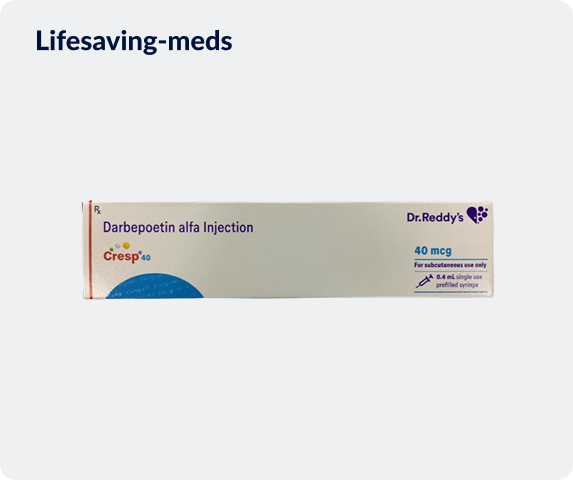
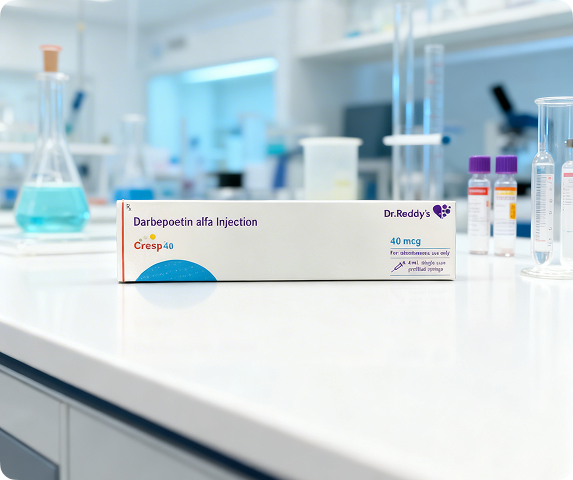
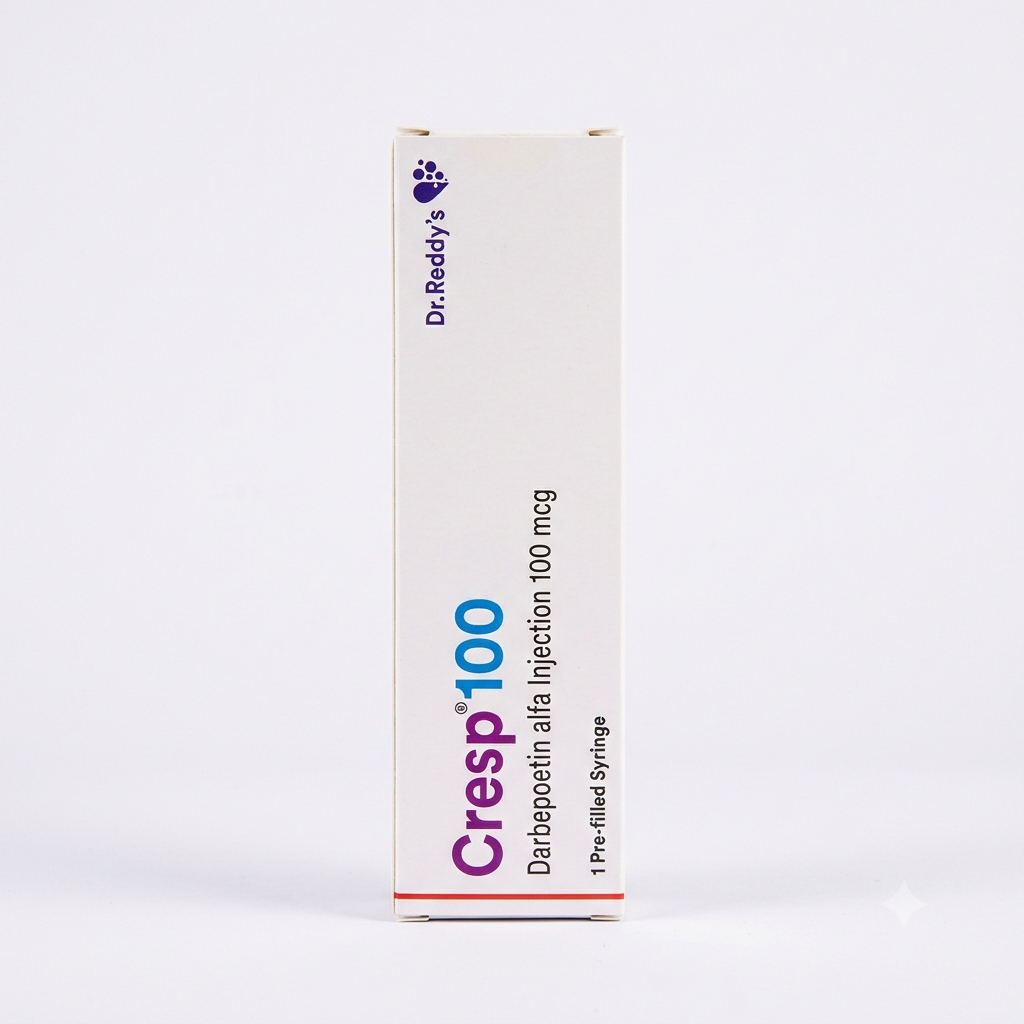
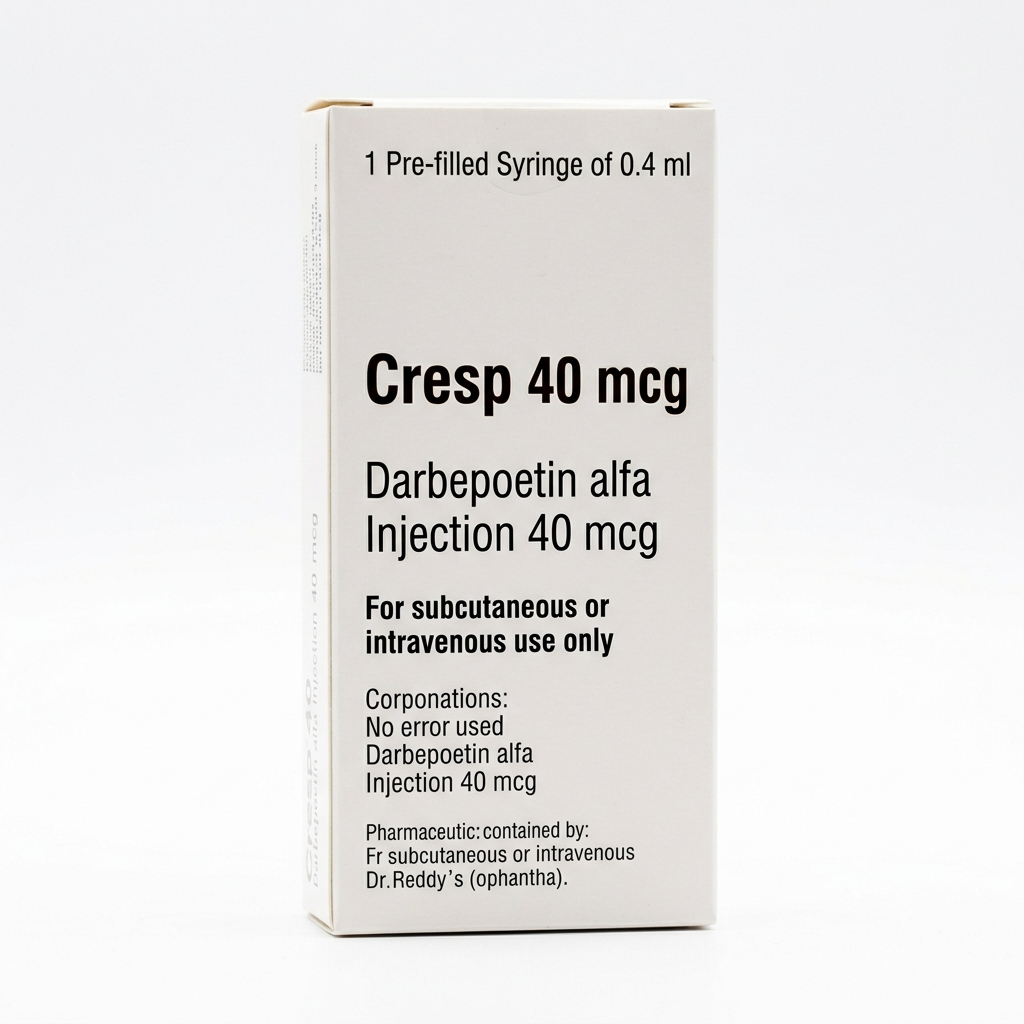
Cresp 60 mcg (micrograms = 0.001 mg) is an injectable formulation consisting of the drug Darbepoetin alfa. This is a long-acting erythropoiesis-stimulating agent (ESA) that is used in the treatment of anemia caused by various underlying conditions.
Chronic Kidney Disease and Anemia
In patients with Chronic Kidney Disease (CKD), there is inadequate erythropoietin (EPO) synthesis by the kidneys. This hormone signals bone marrow to produce red blood cells (RBCs). As a result, RBC production decreases, leading to normocytic normochromic anemia. Cresp 60 mcg is an erythropoiesis-stimulating agent (ESA) that replaces EPO and increases RBC production.
Anemia from Chemotherapy
Cancer patients undergoing chemotherapy have suppressed bone marrow function, which leads to an overall decrease in RBC production, resulting in anemia. Cresp 60 mcg stimulates the bone marrow to produce RBCs and reduces the need for blood transfusions. It is primarily used in patients with non-myeloid malignancies.
Anemia from Chronic Illnesses
Patients with chronic inflammatory processes (i.e., long-term infections or autoimmune disease) who suffer from anemia can experience a blunted response to erythropoietin (EPO) along with a diminished capacity to use iron. When combined, these factors cause anemia. Cresp 60 mcg is used in certain cases, and it helps improve the hemoglobin levels.
The dosage of Cresp 60 mcg is based on the patient’s body weight and
Anemia due to Chronic Kidney Disease
Recommended dose:
Maximum dose limit:
Missed dose instructions:
Overdose instructions:
Chemotherapy-induced anemia
Recommended dose (Subcutaneous administration):
Maximum dose limit:
Missed dose instructions:
Overdose instructions:
Recommended dose:
Maximum dose limit:
Missed dose instructions:
Overdose instructions:
Chronic kidney disease (CKD) and chemotherapy-induced anemia are both characterized by a decreased rate of red blood cell (RBC) production. In CKD, the kidneys' erythropoietin (EPO) secretion is inadequate. EPO is a glycoprotein hormone that attaches to EPO receptors (EPORs)on the erythroid progenitor cells located in the bone marrow, promoting proliferation, differentiation, and survival of these cells
In the case of chemotherapy-induced anemia, the bone marrow is damaged with cytotoxic (anti-chemotherapy) agents and produces fewer total erythroid progenitor cells, and even fewer of those cells respond to physiological (endogenous) levels of EPO.
Cresp 60 mcg is a synthetic, long-acting structural analogue of EPO. This drug mimics the action of EPO and binds to the EPORs, thus activating the JAK2-STAT5 signalling pathway. This action activates transcriptional processes necessary for cell survival, proliferation, and maturation of RBCs. By restoring the normal erythropoietin signalling pathway, Darbepoetin Alfa increases erythropoiesis (RBC production), increases hemoglobin levels, reduces the need for blood transfusions, and ultimately reverses the anemia.
Common side effects
Cardiovascular & serious risks
Neurological side effects
Hematological/serious rare effects
Allergic reactions
Skin reactions (rare but severe)
Red flag symptoms (seek immediate help)
1.Can I take iron supplements while consuming
Yes. Adequate iron levels are essential for the best treatment response.
2.What are the main side effects?
Side effects like hypertension, stroke, heart attack, and blood clots must be immediately reported.
3.How is Cresp 60 mcg administered?
Cresp 60 mcg is administered subcutaneously (SC) or intravenously (IV), based on the underlying condition.
4.Can this drug be administered to pregnant women?
This drug must be administered to pregnant women only if necessary.
5.Can this drug be used by children?
Administration and dosage for children must be decided by medical specialists.

It is not recommended to take this medicine while breastfeeding.

It is unknown whether it is safe to drink alcohol while taking this medicine.
Inform your physician if you have any liver disorders before taking this medicine.
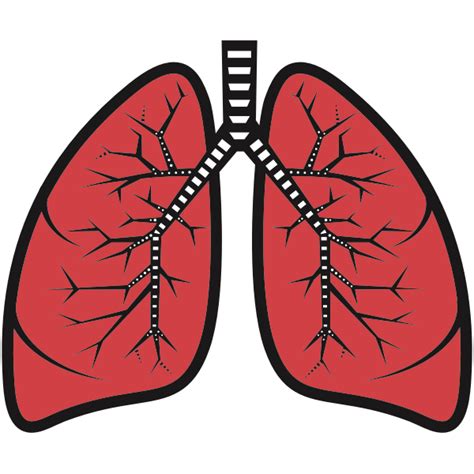
Inform your doctor about lung issues while on this medicine.

This medicine can cause tiredness. Avoid driving if you are unwell.

It is not recommended to take this medicine during pregnancy.

This medicine can be taken with food to reduce stomach irritation.

This medicine can be taken on an empty stomach for faster absorption.