Breast Feeding
DangerousIt is not recommended to take this medicine while breastfeeding.
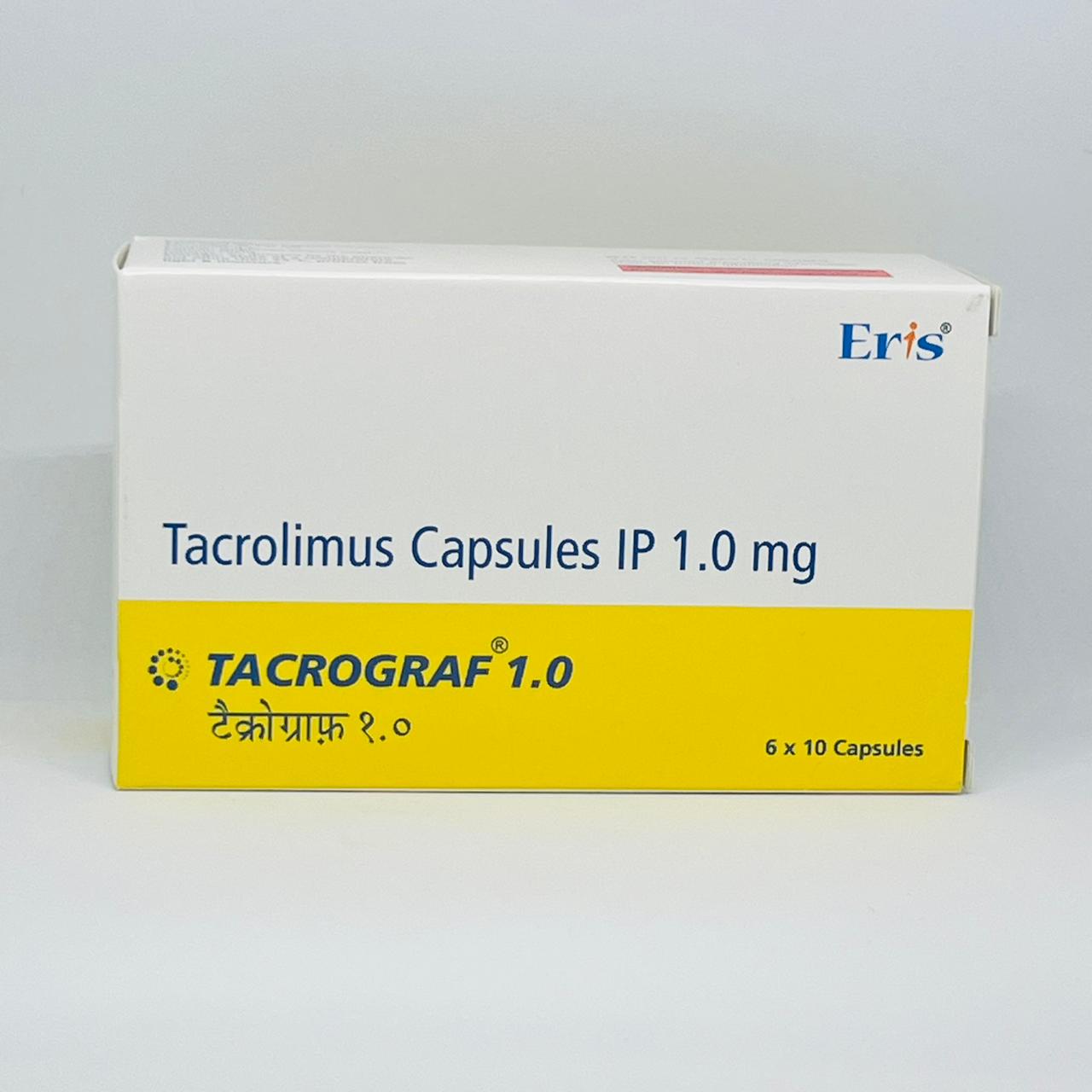
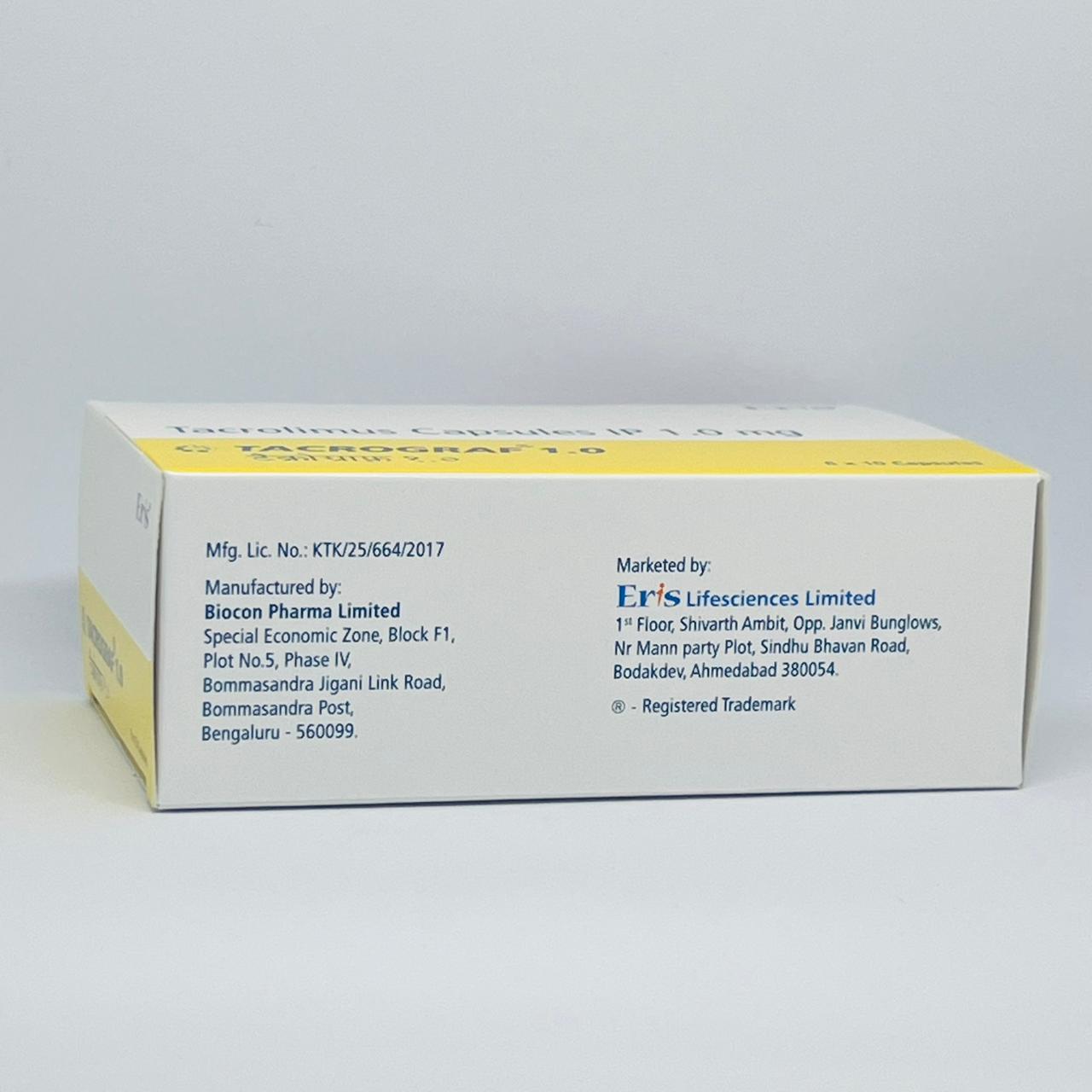
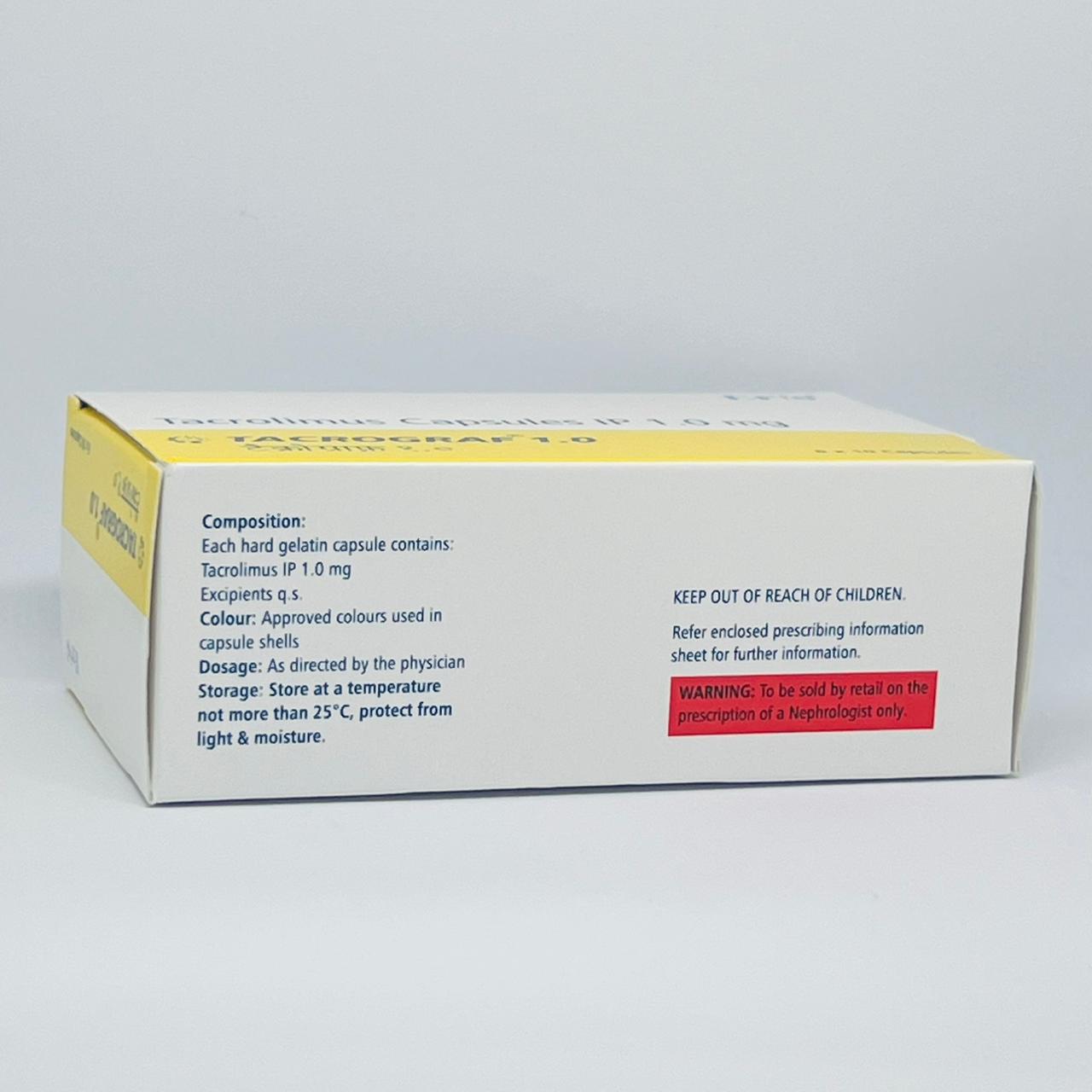
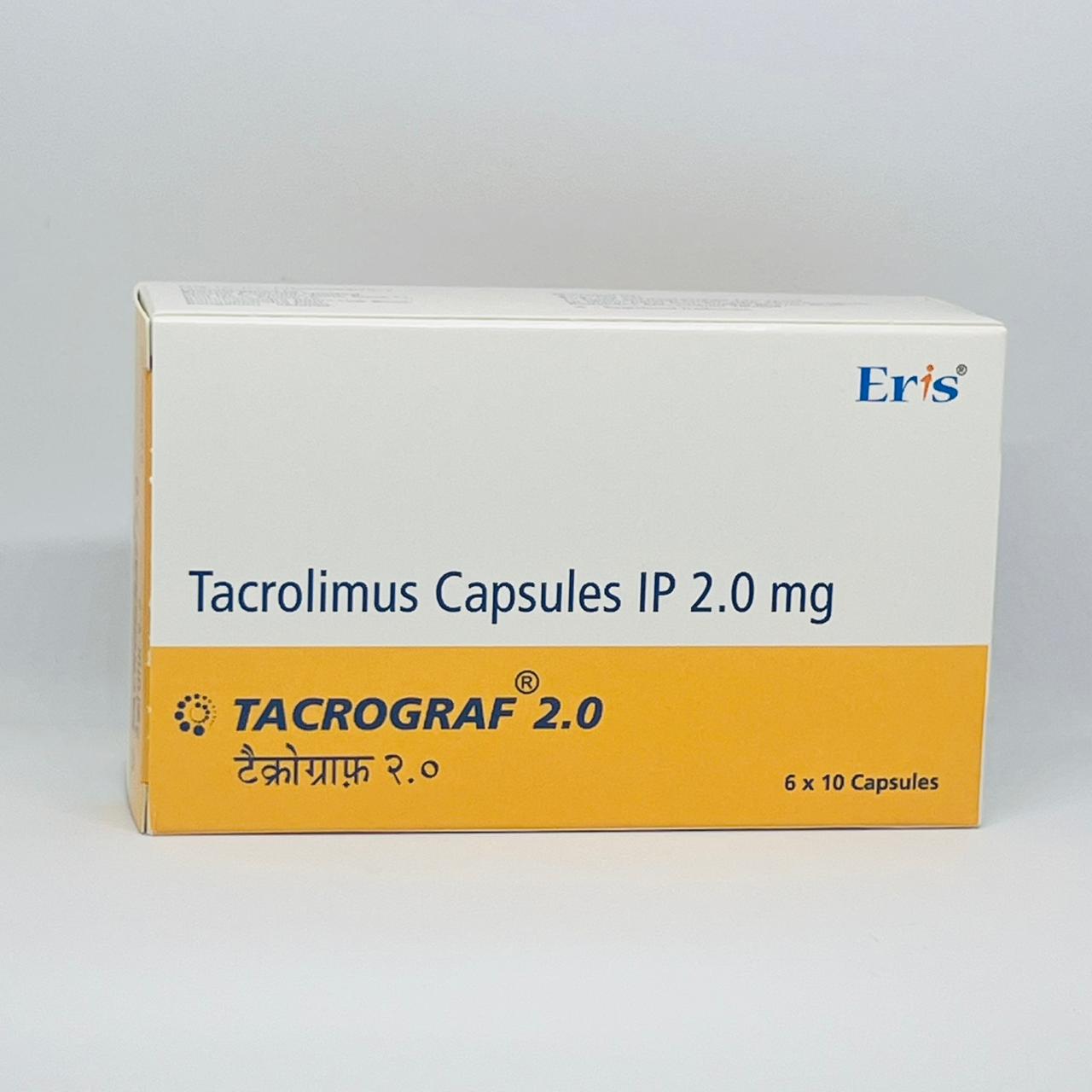
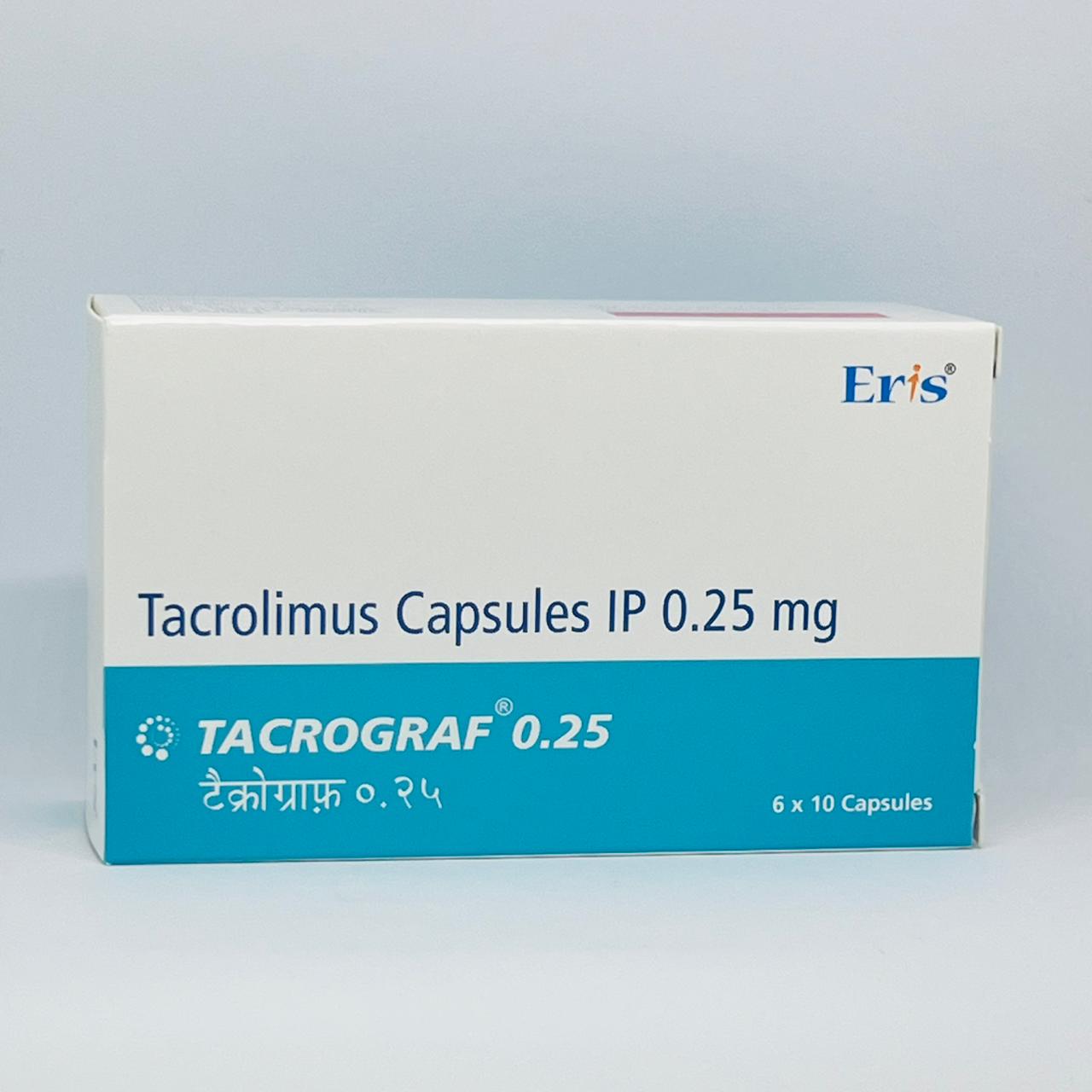
What is Tacrograf 1.0 mg Capsule?
Tacrograf 1.0 mg Capsule is an immunosuppressive drug, with Tacrolimus as its active ingredient. It belongs to the class of calcineurin inhibitors, which work by suppressing T-cell activation. It is mainly used to prevent immune rejection in organ transplant procedures. Apart from these, Tacrograf 1.0 mg Capsule is also used in the treatment of other autoimmune and hyperinflammatory conditions. In conclusion, this drug is used to suppress the excessive immune system reaction, or in cases where the reaction is undesirable.
Organ Transplant Rejection Prophylaxis (Kidney, Liver, Heart)
The main challenge with organ transplant procedures is the rejection of the transplanted organ by the host’s immune system, typically caused by T lymphocytes. Tacrograf 1.0 mg Capsule suppresses the activity of T lymphocytes and increases the chances of a successful organ transplant.
Atopic Dermatitis (Eczema)
Atopic dermatitis is a chronic inflammatory condition that damages the skin barrier, which is brought about by T-lymphocytes. Tacrograf 1.0 mg Capsule is used as a topical formulation for this condition, and it reduces excess T-cell activity in the area.
Nephrotic Syndrome (Resistant Cases)
In this condition, excess immune reaction causes a decline in kidney function by damaging the glomerular filtration barrier. Tacrograf 1.0 mg Capsule works by suppressing the excess immune reaction that damages the kidney function.
Graft-versus-Host Disease (GVHD)
During a bone transplant procedure, the donor’s immune system may recognize the host’s tissues (skin, liver, and gut) as “non-self”. This causes a large amount of inflammation and tissue damage in the body. Tacrograf 1.0 mg Capsule works by suppressing the T lymphocyte activity of the donor cells after the transplant.
Organ Transplant Rejection Prophylaxis (Kidney, Liver, Heart)
Recommended dose:
Maximum dose limit:
Missed dose instructions:
Overdose instructions:
Atopic Dermatitis (Topical Formulation)
Recommended dose:
Maximum dose limit:
Missed dose instructions:
Overdose instructions:
Nephrotic Syndrome (Resistant Cases)
Recommended dose:
Maximum dose limit:
Missed dose instructions:
Overdose instructions:
Recommended dose:
Maximum dose limit:
Missed dose instructions:
Overdose instructions:
Tacrograf 1.0 mg Capsule consists of the main ingredient Tacrolimus. This drug has strong immunosuppressive properties, and it works on the cell-mediated immunity of the body, which is mainly dependent on T-lymphocytes.
Normally, when a T-lymphocyte recognizes antigens, it increases the intracellular calcium levels, activating an enzyme called Calcineurin, which acts like a molecular switch in T lymphocytes. Activation of this enzyme triggers a series of biomechanical reactions resulting in the release of cytokines necessary for T-cell activation.
Tacrograf 1.0 mg Capsule binds to the intracellular FK506-binding protein 12 (FKBP-12). Normally, this protein helps in the folding of other proteins, but when it binds to Tacrolimus, it acts as a chaperone protein (i.e., carrier of drugs in the cell) to form a Tacrolimus-FKBP complex. FKPB then delivers the drug to its target cell (i.e., T-cells). Inside the T-cell, Tacrograf 1.0 mg Capsule inhibits the action of Calcineurin, thus preventing the activation and proliferation of T-lymphocytes.
As an indirect effect of T-lymphocyte suppression, Tacrolimus also facilitates the activation of B-lymphocytes (a part of the humoral immunity, which produces antigen-specific antibodies against foreign substances). In this way, Tacrograf 1.0 mg Capsule suppresses the immune reaction, mainly T cell activation in the body, when it is unwanted.
Frequently Reported Side Effects
Gastrointestinal & Hepatic Effects
Cardiovascular Effects
Metabolic & Endocrine Effects
Hematological Effects
Dermatological Effects
Infections & Immunological Effects
Malignancy Risk
Allergic / Hypersensitivity Reactions
Other Reported Side Effects
Very Serious- Rare but Critical Effects
Clinically Important Side-Effects
Tacrolimus has multi-system side effects, but the most important to monitor are:
Frequently Asked Questions
1.Can we take Tacrograf 1.0 mg Capsule on an empty stomach?
Tacrograf 1.0 mg Capsule can be consumed with or without a meal. However, the same schedule must be followed consistently.
2.Does it affect blood sugar?
Yes. There is a risk of hyperglycemia associated with Tacrograf 1.0 mg Capsule.
3.How long does Tacrograf therapy last?
The duration of Tacrograf 1.0 mg Capsule is based on the indication and the patient’s condition.
4.Can Tacrograf 1.0 mg Capsule be stopped after the symptoms improve?
No. Tacrograf 1.0 mg Capsule therapy cannot be stopped abruptly as it can cause transplant rejection or a disease flare-up.
5.What is Tacrograf 1.0 mg Capsule used for?
Tacrograf 1.0 mg Capsule is mainly used in organ transplant cases, autoimmune, and skin conditions.

It is not recommended to take this medicine while breastfeeding.

It is unknown whether it is safe to drink alcohol while taking this medicine.
Inform your physician if you have any liver disorders before taking this medicine.
Inform your doctor about lung issues while on this medicine.

This medicine can cause tiredness. Avoid driving if you are unwell.
It is not recommended to take this medicine during pregnancy.

This medicine can be taken with food to reduce stomach irritation.

This medicine can be taken on an empty stomach for faster absorption.