Breast Feeding
DangerousIt is not recommended to take this medicine while breastfeeding.
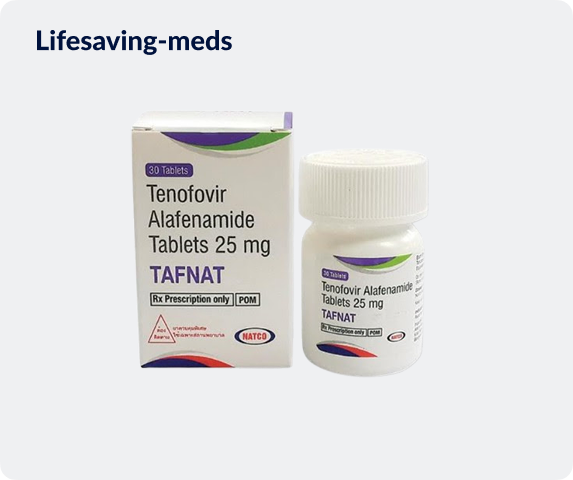
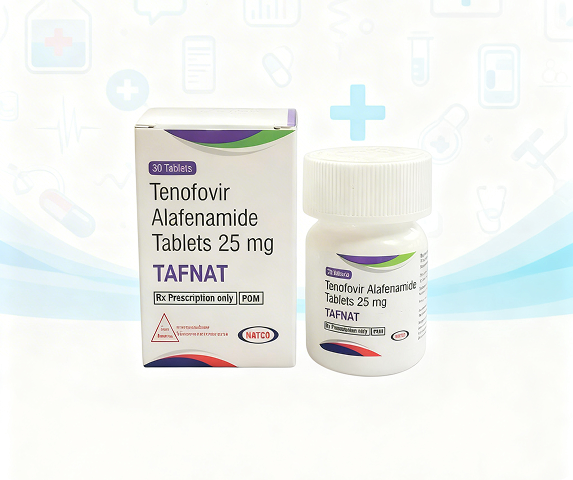
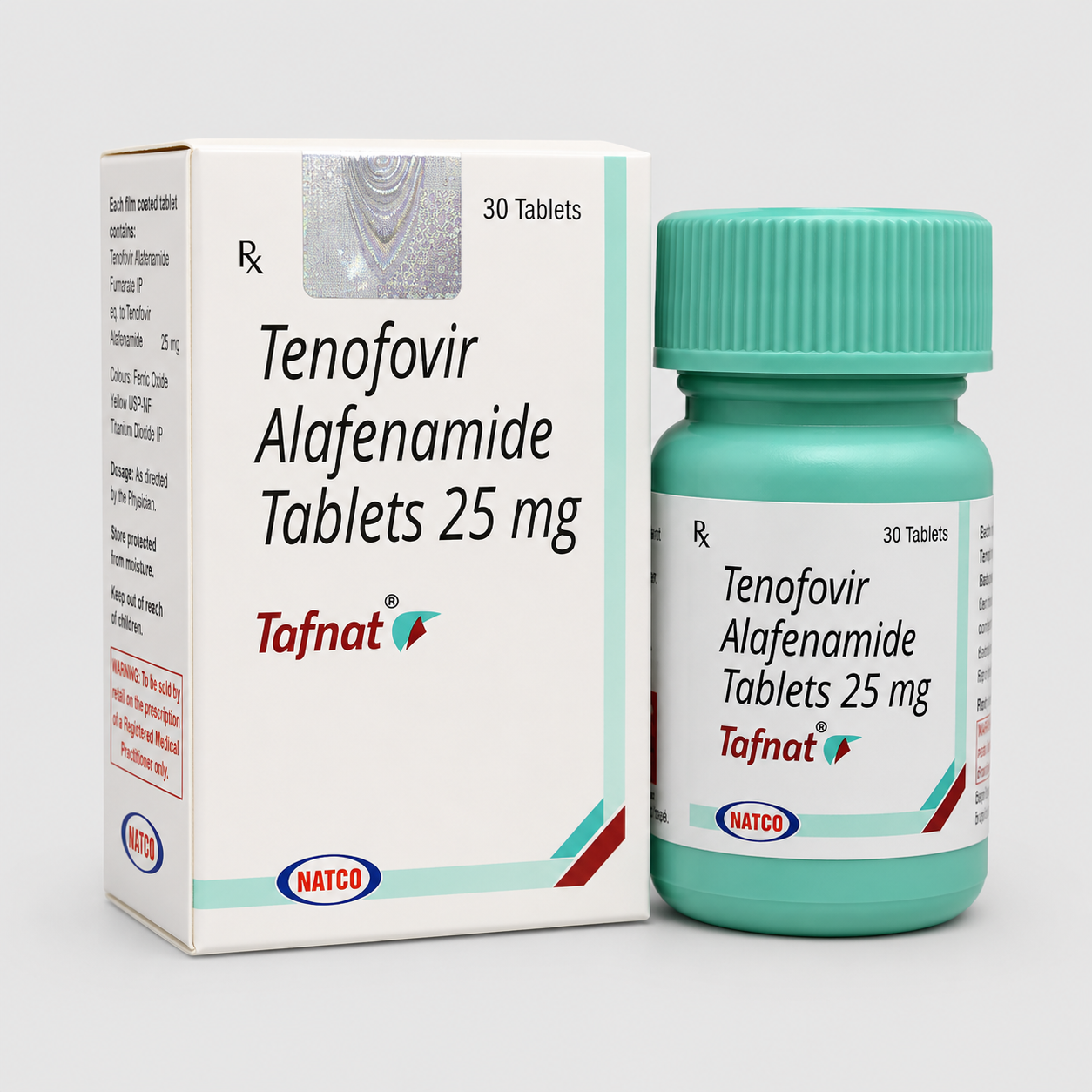
Tenofovir Alafenamide, which is a prodrug, i.e., it activates after entering the body. This drug can enter the targeted cells and interfere with the replication of the virus, thus preventing these viruses from infecting other cells. For HIV, Tafnat is generally prescribed as a part of an antiretroviral therapy (ART), in combination with other antiretroviral drugs.
HIV infection
Human Immunodeficiency Virus (HIV) is a viral pathogen that infects CD4+ T lymphocytes in the immune system. This makes the patient prone to several secondary infections due to a weakened immune system.Tafnat is used as a component of antiretroviral therapy (ART) as it controls the viral load. This drug can enter the CD4+ T lymphocytes and prevent the virus from spreading any further.Apart from these, Tafnat is also administered as a prophylactic and post-prophylactic measure to prevent a permanent infection before and after viral contact, respectively.
Chronic Hepatitis B
Hepatitis B is a virus (HBV) that causes the HBV infection. This virus targets the hepatocytes (liver cells) and replicates within them.When this virus persists for a long time, there are symptoms like liver fibrosis, cirrhosis, liver failure, and even hepatocellular carcinoma. Similar to its effect in HIV, Tafnat enters the hepatocytes and interferes with the viral replication process. In addition to reducing the viral load, this medication also preserves liver function over time.
1. HIV infection
Recommended dose:
Maximum dose limit:
Tafnat consists of the anti-retroviral drug Tenofovir Alafenamide. This drug is a “prodrug”, which means that it is inactive until it enters the body.
HIV and HBV affect the CD4+ T lymphocytes and hepatocytes, respectively. They proliferate using a special enzyme, reverse transcriptase, which converts RNA to DNA. This mode of DNA generation is unique to certain viruses and is not found in other viruses, bacteria, or eukaryotic pathogens. In this way, HIV and HBV multiply in their respective cell types.
When Tafnat enters the body, it enters the target cells (CD4+ T lymphocytes and Hepatocytes) and gets converted into its active form, tenofovir diphosphate. This active form mimics the structure of nucleotides and is incorporated into the DNA by reverse transcriptase. This interferes with DNA elongation, leading to broken DNA chains that further block viral replication.
Tafnat does not directly destroy the virus, but it prevents it from multiplying any further and spreading to other cells. In HIV, this stabilizes the immune system, whereas in HBV, this drug protects the liver from any further damage.
Common Side Effects
Serious Side Effects
Metabolic & Laboratory Changes
Hypersensitivity Reactions (Rare)
Proper medical supervision is required before starting Tafnat therapy.
Frequently Asked Questions
1.Can Tafnat cure HIV?
No. Tafnat cannot completely cure an HIV infection. It can only reduce the viral load and contain the disease.
2.Can I stop taking Tafnat once I feel better?
No. Abruptly stopping Tafnat therapy can cause a relapse of the disease.
3.Is Tafnat safe for the kidneys?
Yes. Tafnat is generally considered safe for the kidneys when consumed under proper medical supervision.
4.Can pregnant women take Tafnat?
Pregnant women are generally prescribed this drug only when the benefits are greater than the risks.
5.Does Tafnat prevent the transmission of HIV?
Tafnat significantly reduces the viral load, which can reduce the transmission risk.

It is not recommended to take this medicine while breastfeeding.
It is unknown whether it is safe to drink alcohol while taking this medicine.
Inform your physician if you have any liver disorders before taking this medicine.
Inform your doctor about lung issues while on this medicine.
This medicine can cause tiredness. Avoid driving if you are unwell.
It is not recommended to take this medicine during pregnancy.
This medicine can be taken with food to reduce stomach irritation.
This medicine can be taken on an empty stomach for faster absorption.