Breast Feeding
DangerousIt is not recommended to take this medicine while breastfeeding.
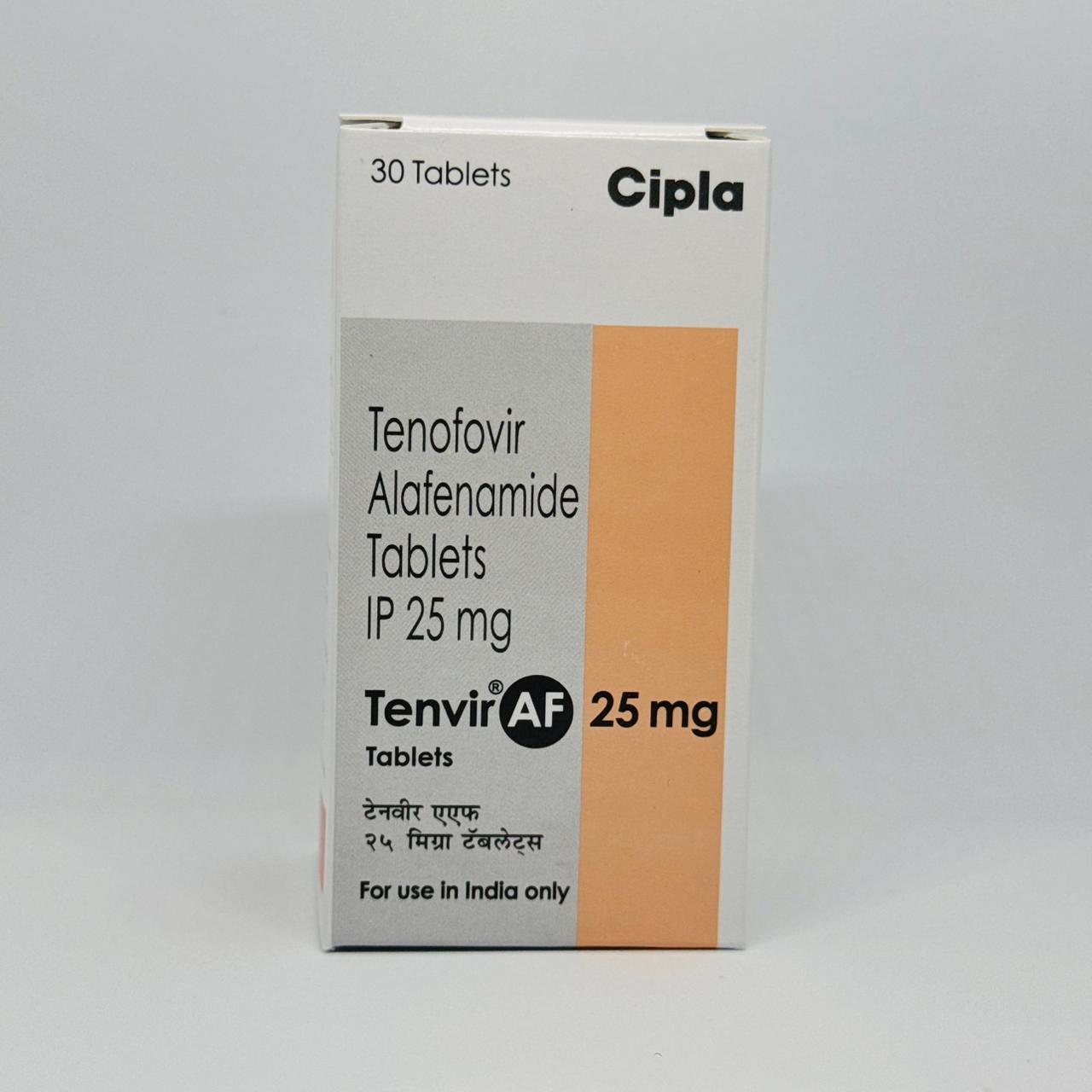

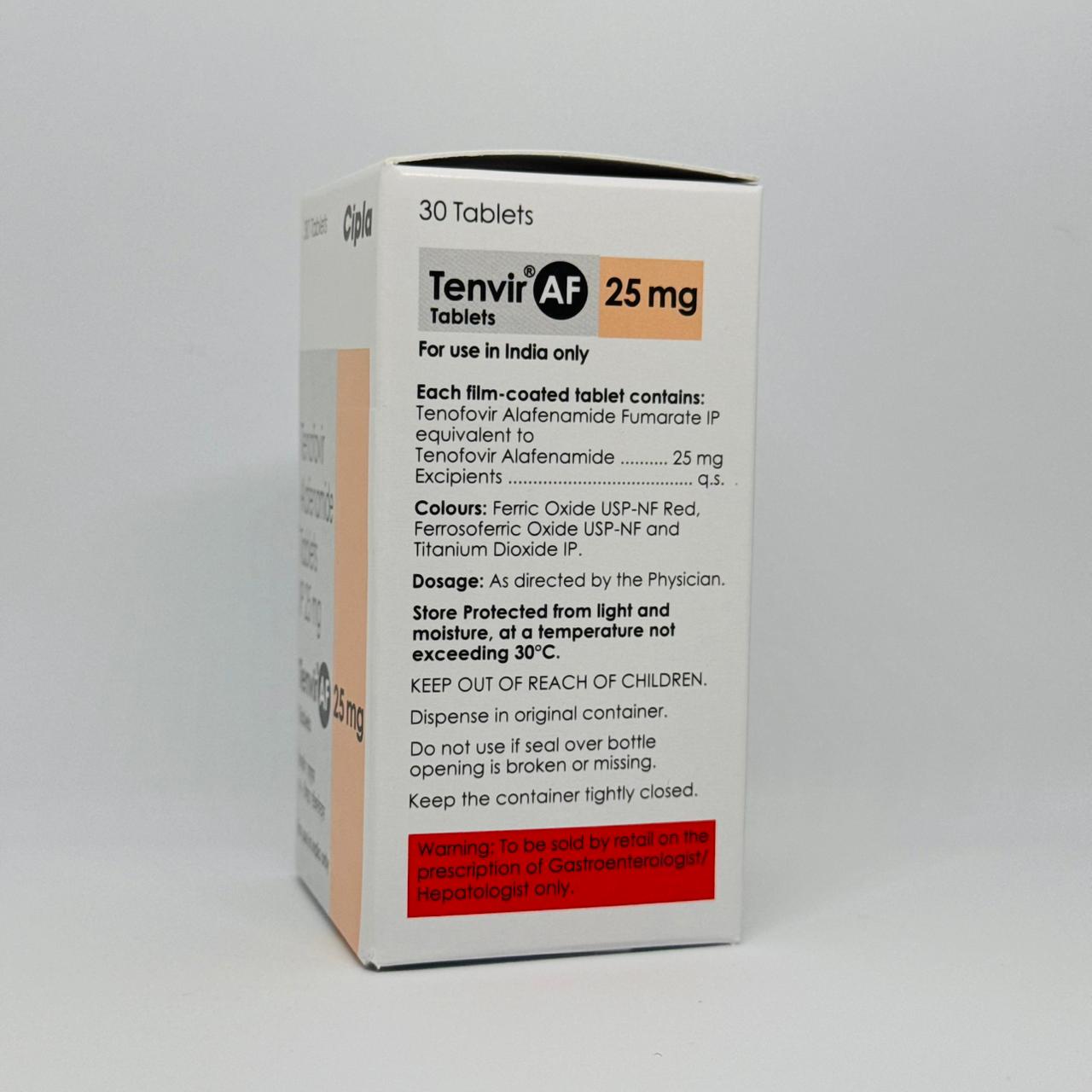
What is Tenvir-AF
Tenvir-AF is an antiretroviral therapy that consists of the active ingredient Tenofovir Alafenamide. It is mainly used in the treatment of Human Immunodeficiency Virus (HIV) and Hepatitis B Virus (HBV) infections. Tenvir-AF is a prodrug, and it works by interfering with the multiplication of the virus cells and preventing them from proliferating. This drug controls the progression of the disease and improves the overall patient condition.
HIV Infection
Human Immunodeficiency Virus (HIV) targets the CD4+ T-cells (immune cells), which predisposes the body to secondary infections. Tenvir-AF is prescribed for this condition as it blocks the replication of HIV, preserves the immune function, and reduces the progression to Acquired Immunodeficiency Syndrome (AIDS).
Chronic Hepatitis B
This disease is caused by the Hepatitis B Virus (HBV), and it mainly affects the liver, specifically, the liver cells, i.e., hepatocytes.This leads to chronic inflammation and liver cancer over time. In this condition, Tenvir-AF controls the viral load in the liver and prevents the condition from worsening any further.
HIV Prevention (Pre-Exposure Prophylaxis – PrEP)
In this condition, Tenvir-AF is used as a prophylactic measure. It is administered before the HIV infection, so that the drug remains in the bloodstream and blocks the viral replication immediately as it enters the body.
Post-Exposure Prophylaxis (PEP)
Tenvir-AF is also used as a post-prophylactic measure after exposure to HIV. Generally, after a suspected HIV infection, Tenvir-AF, if administered within 72 hours, blocks the viral replication and prevents it from establishing a permanent infection.
Standard Dosing
Tenvir-AF is an antiretroviral drug with the main ingredient Tenofovir Alafenamide. This drug is a “prodrug”, which means that it is inactive until it enters the body.
HIV and HBV affect the CD4+ T lymphocytes and hepatocytes, respectively. They proliferate using a special enzyme, reverse transcriptase, which converts RNA to DNA. This mode of DNA generation is unique to certain viruses and is not found in other viruses, bacteria, or eukaryotic pathogens. In this way, HIV and HBV multiply in their respective cell types.
When Tenvir-AF enters the body, it enters the target cells (CD4+ T lymphocytes and Hepatocytes) and gets converted into its active form, tenofovir diphosphate. This active form mimics the structure of nucleotides and is incorporated into the DNA by reverse transcriptase. This interferes with the DNA elongation process, leading to broken chains of DNA, which further blocks the viral replication process.
Tenvir-AF does not directly destroy the virus, but it prevents it from multiplying any further and spreading to other cells. In HIV, this stabilizes the immune system, whereas in HBV, this drug protects the liver from any further damage.
Metabolic
Bone effects
1.Can Tenvir-AF cure HIV?
Tenvir-AF, for HIV, can only control the viral load and prevent the progression to AIDS. Moreover, HIV has a tendency to integrate itself into the host’s DNA and stay dormant, making it impossible to eliminate with any modern medications.
2.Does Tenvir-AF affect the kidneys?
Compared to older formulations of Tenvir, Tenvir-AF has fewer effects on the kidneys. However, regular monitoring is required.
3.Is Tenvir-AF safe for long-term use?
Under proper medical supervision, Tenvir-AF can be consumed safely for the long term.
4.Can Tenvir-AF prevent HIV?
Tenvir-AF cannot be used as a monotherapy to prevent an HIV infection, as it can lead to resistance. It must be combined with other antiretroviral therapies like Descovy.
5.Can Tenvir-AF be used by pregnant or breastfeeding women?
Tenvir-AF is generally considered safe for pregnant women, but it must only be consumed under strict medical supervision. This drug can pass into the breastmilk, but it can be administered if the benefit outweighs the risks.

It is not recommended to take this medicine while breastfeeding.

It is unknown whether it is safe to drink alcohol while taking this medicine.
Inform your physician if you have any liver disorders before taking this medicine.
Inform your doctor about lung issues while on this medicine.

This medicine can cause tiredness. Avoid driving if you are unwell.
It is not recommended to take this medicine during pregnancy.

This medicine can be taken with food to reduce stomach irritation.

This medicine can be taken on an empty stomach for faster absorption.