Breast Feeding
DangerousIt is not recommended to take this medicine while breastfeeding.
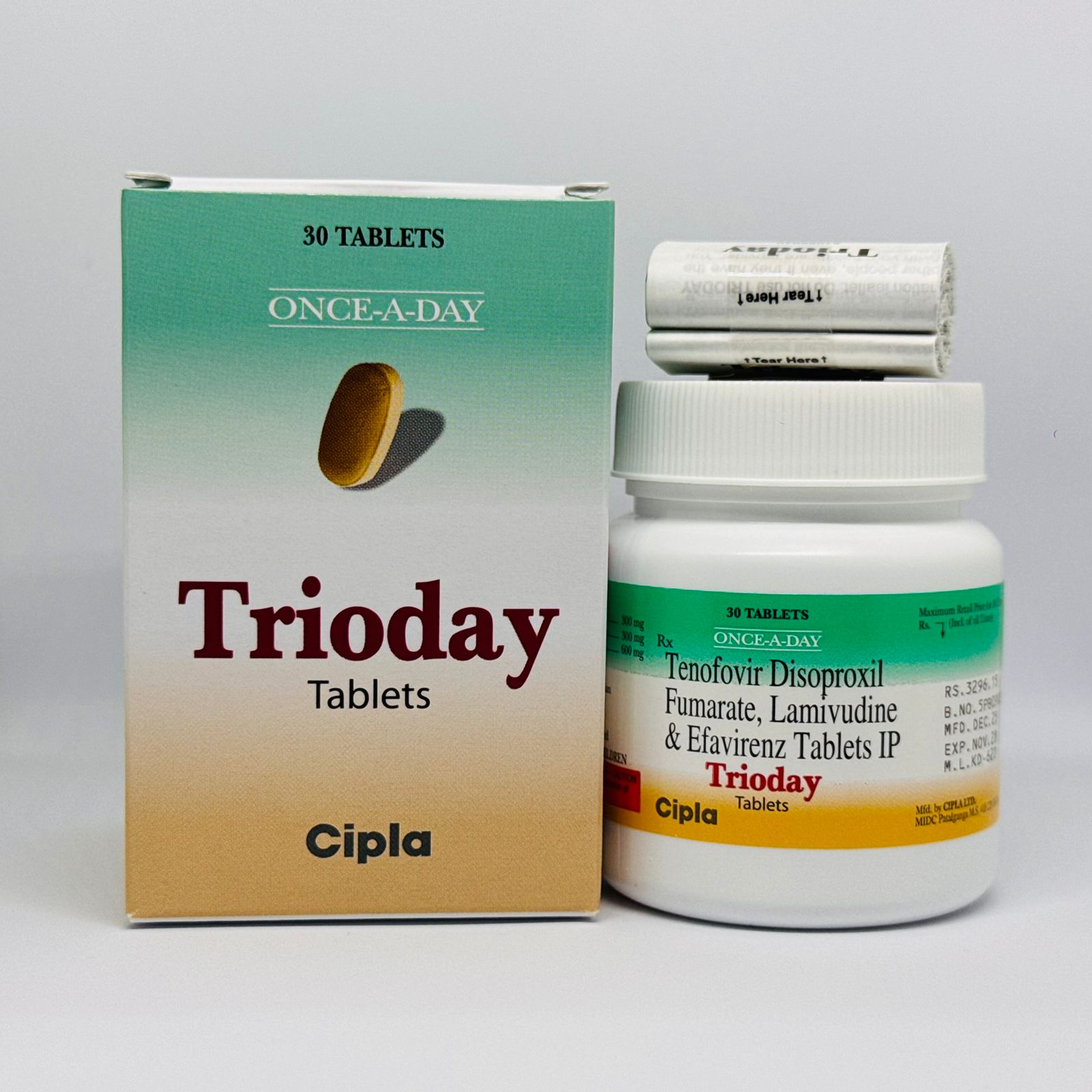
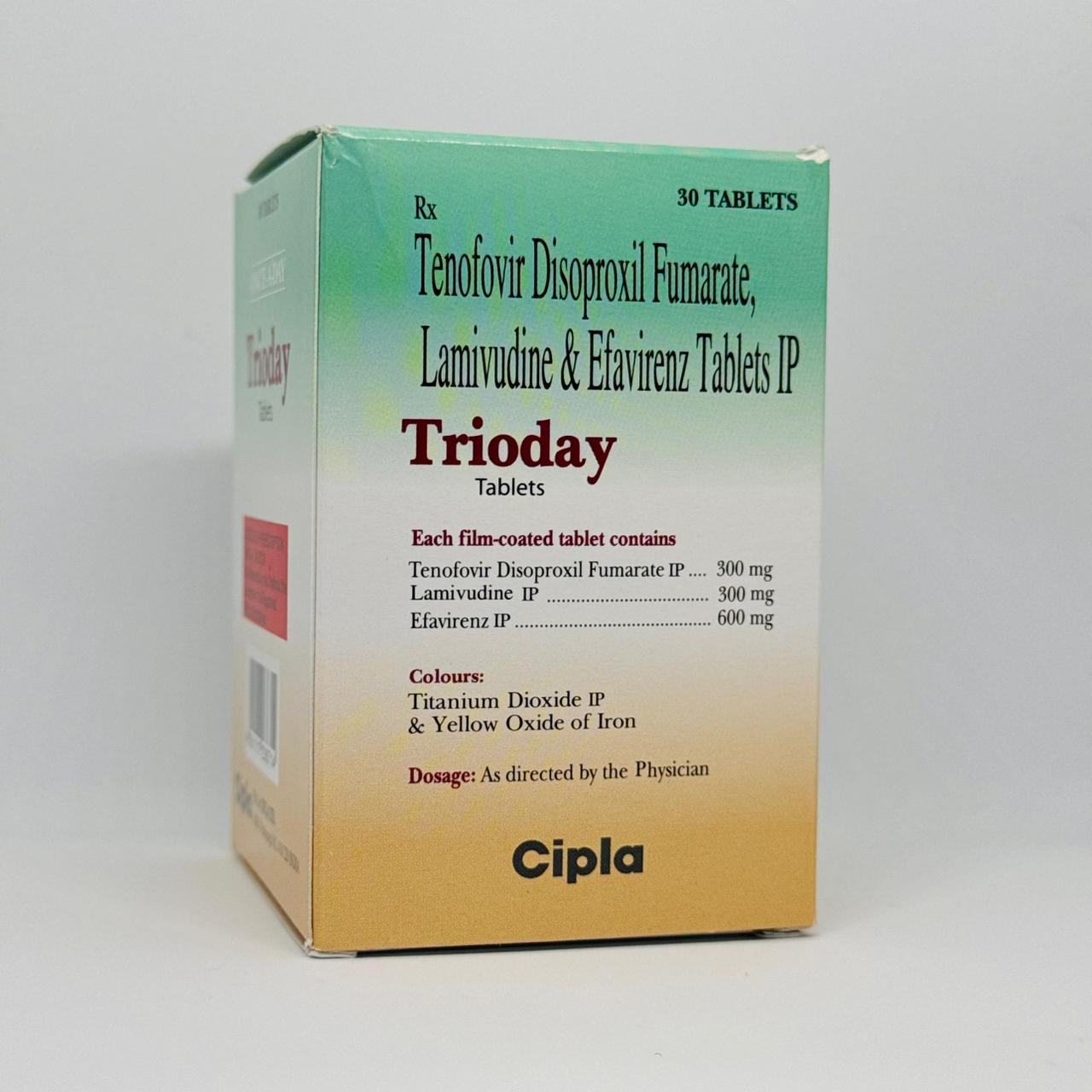
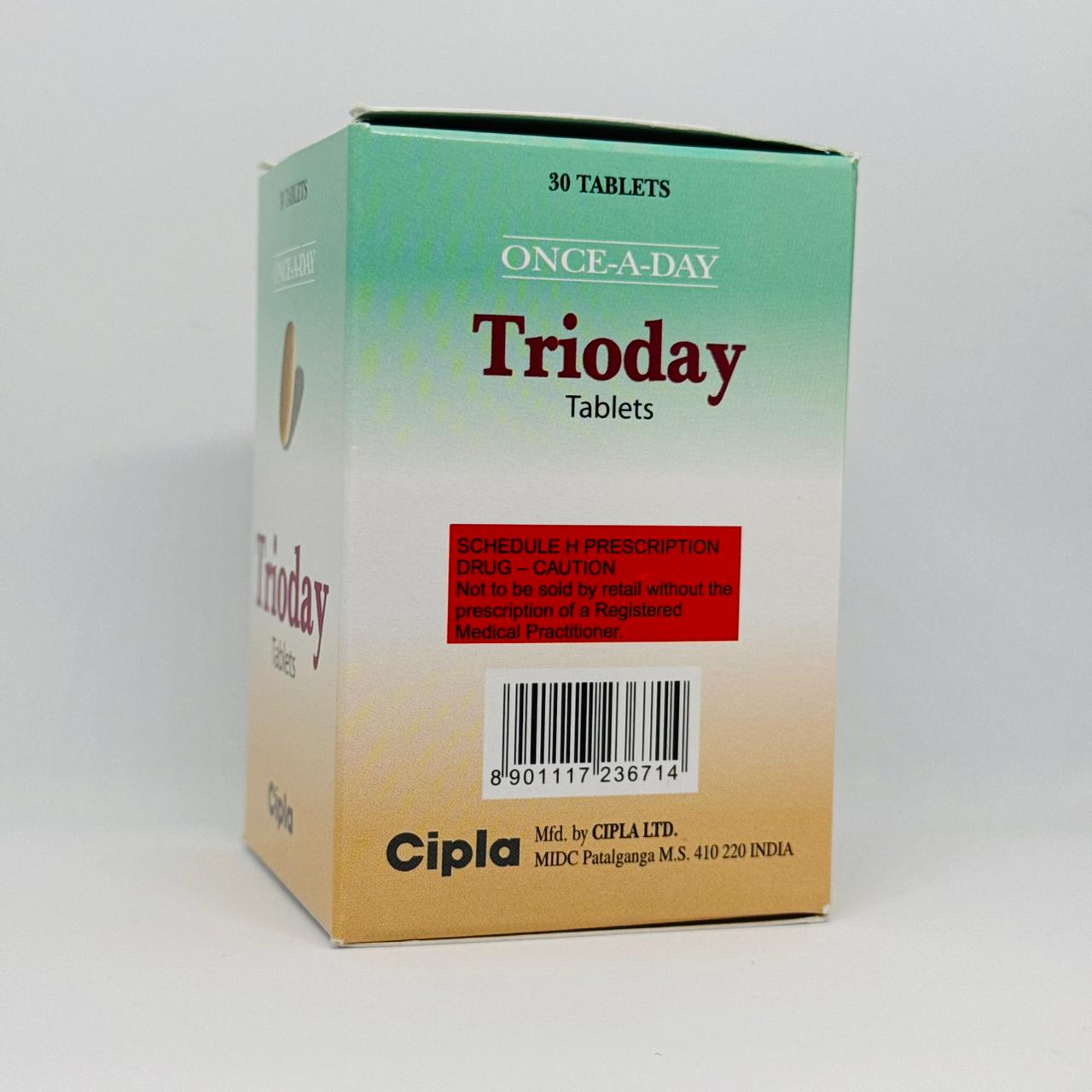
What is Trioday
Trioday is an oral formulation consisting of three main drugs- Tenofovir Disoproxil Fumarate, Lamivudine, and Efavirenz.It is mainly used for the treatment of HIV and HBV coinfection with HIV. It works by interfering with viral replication and improves the overall condition of the patient.
1. Treatment of HIV infection (Human Immunodeficiency Virus)
HIV targets the CD4+ T lymphocytes (white blood cells), which affects the body's immunity. As a result, the body gets predisposed to several secondary infections. For this indication, Trioday is used as a complete therapy as it contains a combination of multiple drugs. It prevents the growth and proliferation of the virus and prevents the condition from progressing to Acquired Immunodeficiency Syndrome (AIDS).
2. Management of Hepatitis B (HBV infection) (component-based effect)
HBV affects the liver and replicates within the hepatocytes. This leads to chronic inflammation and liver dysfunction. In some patients, HBV coexists with HIV, which cannot be treated using monotherapy. In this drug, Tenofovir Disoproxil Fumarate and Lamivudine are effective against HBV. It controls the HBV load in the liver and controls the inflammation.As the Efavirenz component is not effective against HBV, this drug is not prescribed for just HBV infection.
The dosage guidelines for both the above-explained indications are explained below. For HBV, Trioday is only prescribed if there is an HIV coinfection.
Recommended dose:
Maximum dose limit:
Trioday contains three antiretroviral agents- Tenofovir Disoproxil Fumarate, Lamivudine, and Efavirenz. These drugs suppress the replication of viruses and preserve the function of the immune system. It works by interrupting several key steps in the replication cycle of HIV and partially for hepatitis B.
HIV targets the CD4 T-lymphocytes and uses an enzyme called reverse transcriptase to convert its RNA into DNA through a process called reverse transcription. It can also subsequently integrate into the genome of the host cell. This reverse transcription is crucial to produce the DNA, important for the replication process.
Hepatitis B is a DNA virus that uses the same reverse transcription process as HIV. Unlike HIV, this virus targets the hepatocytes (liver cells).The continual replication of these viruses results in the impairment of liver function and leads to chronic inflammation.
Trioday contains both Tenofovir Disoproxil Fumarate and Lamivudine, which are nucleoside/nucleotide analogues. These drugs mimic such nucleosides/nucleotides, i.e., natural building blocks of the viral DNA. Normally, the DNA chain elongates as nucleotides are added to the DNA. However, as incorrect molecules are added to this chain, there is premature termination of viral DNA synthesis, which ultimately stops the viral replication.
Efavirenz binds to the reverse transcriptase enzyme, making it dysfunctional. As a result, the enzyme is unable to convert viral RNA into DNA inside HIV-infected cells, thus halting the production of viral DNA.
In this way, the three drugs create a dual blockade by inhibiting the enzyme and disrupting the formation of viral DNA, ultimately controlling the viral load.
Common Side Effects
Central Nervous System (CNS) Effects (mainly due to Efavirenz)
Gastrointestinal Effects
Skin Reactions
Liver-related Effects
Kidney-related Effects (mainly due to Tenofovir)
Blood-related Effects
Metabolic Effects
Other Serious Side Effects
Trioday must be consumed only if prescribed by a healthcare professional.
1.What are the uses of Trioday?
Trioday is mainly used for the treatment of HIV and HBV infections.
2.Can Trioday completely cure HIV?
Trioday cannot completely cure HIV. However, it controls the viral load and slows down the disease progression.
3.Can Trioday be taken by pregnant women?
This medication is prescribed to pregnant women only if the benefits outweigh the risks.
4.Can Trioday be taken with other medications?
Taking other medications with Trioday must be decided by the healthcare providers.
5.What are the major side effects to look out for?
Patients must report any side effects such as severe rash with blistering, jaundice (yellowing of skin/eyes), persistent vomiting with abdominal pain, severe depression or suicidal thoughts, and breathing difficulty.

It is not recommended to take this medicine while breastfeeding.

It is unknown whether it is safe to drink alcohol while taking this medicine.
Inform your physician if you have any liver disorders before taking this medicine.
Inform your doctor about lung issues while on this medicine.
This medicine can cause tiredness. Avoid driving if you are unwell.
It is not recommended to take this medicine during pregnancy.

This medicine can be taken with food to reduce stomach irritation.

This medicine can be taken on an empty stomach for faster absorption.